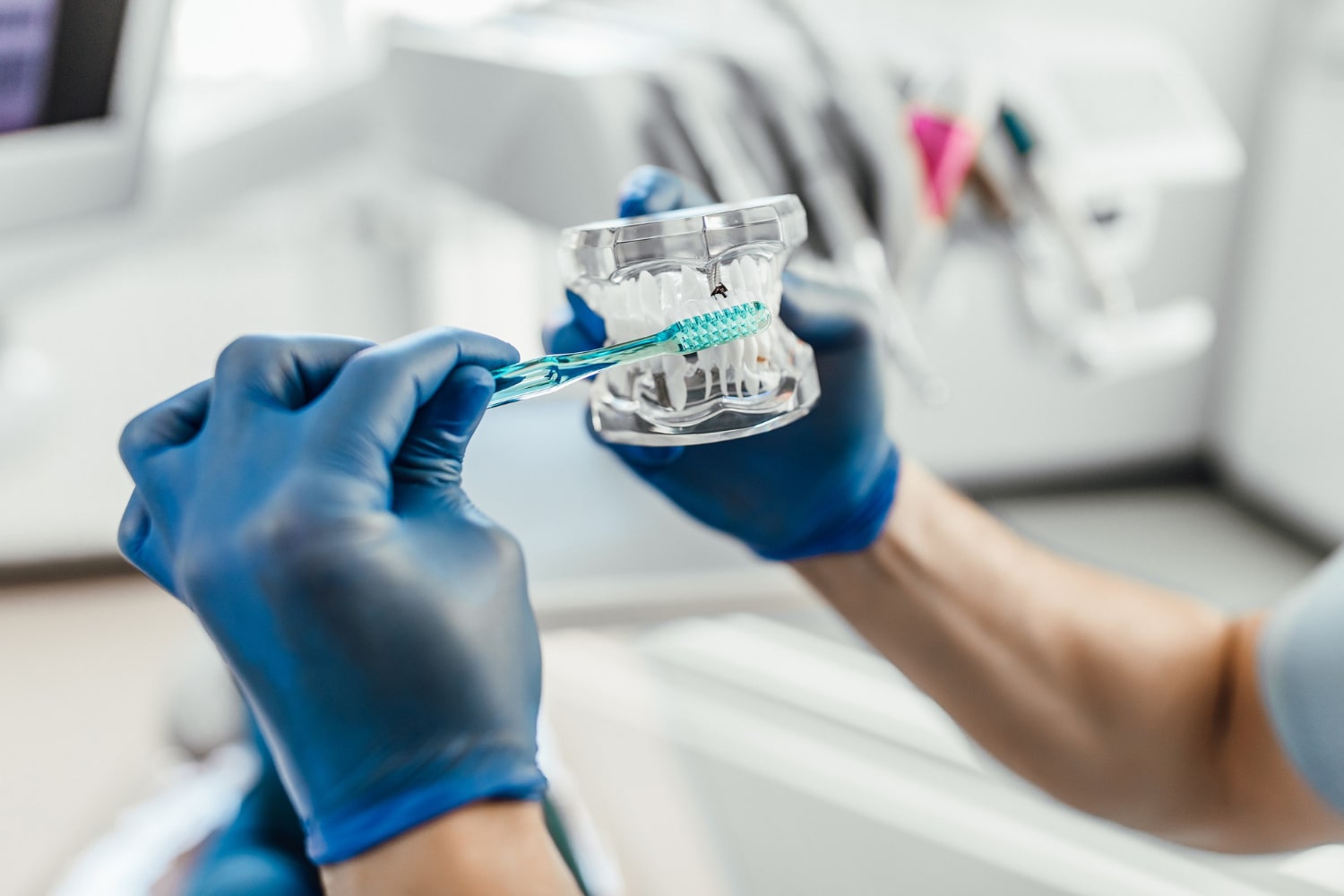

Why Cosmetic Dentist Care Matters for Diabetes Patients
Being diabetic requires paying attentively to your overall health, but dental health is frequently overlooked. The research consistently proves that dental health and diabetes are inextricably linked. Patients who manage their blood sugar levels, going to the dentist montebello is a must. Cosmetic dentist in Montebello isn’t only about looks, but it is also an essential aspect of prevention-based healthcare.
This article will explain the importance of cosmetic dentistry for patients with diabetes and how it can reduce the risk of the risk of complications, and how treatments for dental can benefit dental and systemic health.
Understanding the Link Between Diabetes and Oral Health
The body’s insulin levels affect how it process glucose. This could weaken the immune system and cause slowing of the healing process. The changes can directly affect the oral tissues.
How Diabetes Affects the Mouth
Diabetes sufferers tend to be more susceptible to
- Gum Disease (gingivitis as well as periodontitis)
- Dry mouth (xerostomia)
- Infections of the oral cavity, such as the thrush
- Delayed healing after dental procedures
- The loss of tooth is caused by bone degeneration
Based on the American Diabetes Association, people who suffer from diabetes that is not controlled are two 3 times as likely suffer from severe periodontal disease.
Why Cosmetic Dental Care Is More Than Aesthetic for Diabetics
There is a common misconception that cosmetic dentistry is primarily focused on appearance. Actually, a highly skilled Cosmetic dentist Montebello utilizes cosmetic procedures to enhance the function, hygiene and the long-term stability of your mouth.
Health Benefits of Cosmetic Dentistry for Diabetes Patients
Cosmetic dental care can:
- Replace damaged enamel which holds bacteria
- Adjust the alignment of your bite to lessen stress on the gums
- Replace teeth missing to avoid the loss of bone
- Increase access to dental hygiene with the right spacing
When teeth and gums are healthy, inflammation decreases–supporting better blood sugar control.
Common Dental Issues in Diabetes Patients (And How Cosmetic Dentistry Helps)
Common Dental Issues in Diabetes Patients (And How Cosmetic Dentistry Helps)
| Dental Issue | Risk for Diabetics | Cosmetic Dental Solution |
| Gum disease | Risk of high inflammation | Deep cleanings, gum contouring |
| Tooth loss | Faster bone loss | Dental implants, bridges |
| Cracked enamel | Slower healing | Porcelain crowns, veneers |
| Dry mouth | Greater risk of cavity | Treatments for enamel strength |
A Cosmetic dentist from Montebello usually is a partner with doctors to ensure the dental treatment is compatible with the patient’s diabetes management program.
Case Example: Real-World Experience
Patient Profile:
A 52-year-old man who suffers from Type 2 diabetes experienced recurring tooth loosening and gum infection.
Dental Approach:
- The treatment of periodontal inflammation can be reduced
- Dental crowns for cosmetic purposes to help strengthen teeth
- Bite corrections to lessen pressure points
Outcome:
In the course of six months, bleeding from the gums decreased significantly as did chewing discomfort and patients reported an improvement in glycemic management, which was confirmed by their doctor.
It is a reflection of what dentists say: improving dental health is often linked to improved overall health.
The Role of a Cosmetic Dentist Montebello in Preventive Care
Dental preventive care is particularly important for patients with diabetes. Cosmetic dentists concentrate on earlier detection and preventive treatment.
Preventive Strategies Include:
- Periodontal assessment assessments on a regular basis.
- Digital imaging to aid in early bone loss detection
- Individually designed restorations to help to reduce the buildup of plaque
- Instruction on routines for oral hygiene to diabetics
The Centers for Disease Control and Prevention (CDC) confirms the fact that treating gum disease may aid in stabilizing blood sugar levels.
Cosmetic Dental Treatments Safe for Diabetes Patients
If planned properly, the majority of cosmetic procedures are suitable for patients with diabetes.
Commonly Recommended Treatments
- Porcelain veneers
- Dental crowns
- Whitening teeth (with precisely controlled formulations)
- Implants for teeth (with the ability to monitor blood sugar levels)
A reputable Cosmetic dentist, Montebello is always:
- Review HbA1c levels
- Coordinate treatment timing
- Use biocompatible materials
- It is important to prioritize healing and prevention of infection.
How Diabetes Patients Can Protect Their Smile
Everyday habits are just as equally as professional attention.
Best Practices
- Every day, brush using fluoride toothpaste
- Gently floss to minimize the inflammation of your gums
- Keep hydrated and avoid dry lips
- Schedule dental visits every 3-6 months
- Inform your dentist about medication changes
Consistentness reduces the risk of complications and expenses.
Frequently Asked Questions (FAQ)
Q: Do gum diseases caused by diabetes affect people with diabetes even with a good dental hygiene?
Yes. The immune system of people with diabetes is weaker and makes the gums more susceptible even when flossing regularly and properly.
Q: Are cosmetic dental procedures appropriate for those who suffer from diabetes?
It is true that your blood sugar levels are controlled, and treatment plans are carefully planned by a certified Cosmetic dental montebello.
Q: Implants in the mouth can be used in diabetic patients?
They are highly effective in the event that diabetes is properly controlled and the post-care guidelines are adhered to.
Q: What is the recommended frequency for diabetics to see the cosmetic dentist?
Each month for 3-6 months, based on gum health as well as the stability of blood sugar.
Conclusion
Management of diabetes extends beyond medication and diet, it also includes dental health. Neglecting dental hygiene can cause inflamedness, infections and the control of blood sugar levels.
Working with a seasoned Cosmetic dentist in Montebello, diabetic sufferers can safeguard their smiles, lower the risk of developing health problems, as well as improve their general quality of life.