
Why Cavities Are Increasing in Adults, Not Just Children
For decades, cavities were considered a childhood problem. Parents worried about sugary snacks, forgotten brushing routines, and regular dental checkups for their kids. However, dentists across the United States are seeing a surprising trend: more adults are developing cavities than ever before.
Many adults assume that once they reach adulthood, the risk of tooth decay decreases significantly. Unfortunately, that’s not the case. In fact, modern lifestyles, dietary habits, medications, and oral health challenges are contributing to a growing number of cavities among adults of all ages.
Understanding why this trend is happening can help you protect your teeth and maintain a healthier smile for years to come.
What Exactly Is a Cavity?
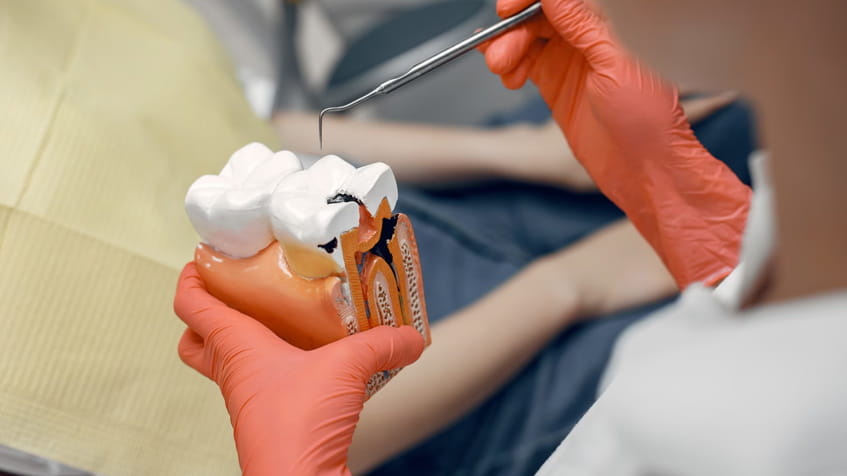
A cavity is a permanently damaged area of a tooth that develops into a tiny hole. Cavities occur when bacteria in the mouth feed on sugars and starches from food and drinks. These bacteria produce acids that gradually wear away tooth enamel, the protective outer layer of the teeth.
If left untreated, cavities can grow larger and affect deeper layers of the tooth, leading to pain, infection, sensitivity, and even tooth loss.
While cavities are common in children, adults are increasingly experiencing the same problem for several reasons.
Why Are More Adults Getting Cavities?
Several factors are contributing to the rise in adult tooth decay.
- Increased Consumption of Sugary Foods and Drinks
One of the biggest contributors to cavities is sugar consumption.
Many adults regularly consume:
- Soft drinks
- Sports drinks
- Sweetened coffee beverages
- Energy drinks
- Flavored waters
- Processed snacks
Even seemingly healthy products like granola bars, smoothies, and dried fruits can contain significant amounts of sugar.
The problem isn’t just how much sugar people consume—it’s how often they consume it. Frequent snacking throughout the day continuously exposes teeth to acid attacks, giving enamel little time to recover.
- Dry Mouth Is Becoming More Common
Saliva plays a critical role in protecting teeth. It helps wash away food particles, neutralize harmful acids, and provide minerals that strengthen enamel.
Unfortunately, many adults experience chronic dry mouth.
Common causes include:
- Prescription medications
- Antidepressants
- Blood pressure medications
- Allergy medications
- Diabetes
- Stress and anxiety
- Dehydration
When saliva production decreases, cavity-causing bacteria can thrive, significantly increasing the risk of tooth decay.
- Adults Are Keeping Their Natural Teeth Longer
Thanks to advances in dentistry, more adults are retaining their natural teeth well into their senior years.
While this is excellent news, it also means there are more teeth at risk of developing cavities over a longer period.
Previous generations often lost teeth earlier in life. Today, people are keeping their teeth for decades longer, creating more opportunities for wear, damage, and decay.
- Receding Gums Increase Vulnerability
As people age, gum recession becomes more common.
When gums recede, they expose the root surfaces of teeth. Unlike enamel, tooth roots are protected by a softer material called cementum, which is far more susceptible to decay.
Root cavities are becoming increasingly common among adults, particularly those over age 50.
Even a small amount of decay on exposed roots can progress quickly if not treated promptly.
- Busy Lifestyles Lead to Neglected Oral Care
Modern life is busy.
Between work responsibilities, family obligations, commuting, and social activities, oral health sometimes takes a back seat.
Many adults:
- Skip brushing before bed
- Forget to floss regularly
- Delay dental appointments
- Ignore early signs of tooth sensitivity
Unfortunately, cavities often develop silently. By the time symptoms appear, significant damage may have already occurred.
Consistent daily oral hygiene remains one of the most effective ways to prevent tooth decay at any age.
- Acidic Diets Are Damaging Tooth Enamel
Sugar isn’t the only threat to your teeth.
Acidic foods and beverages can weaken enamel, making it easier for cavities to form.
Common sources of acid include:
- Citrus fruits
- Lemon water
- Vinegar-based foods
- Wine
- Soda
- Energy drinks
- Sparkling water
Many health-conscious adults start their mornings with lemon water or consume acidic beverages throughout the day without realizing the impact on their dental health.
Repeated acid exposure gradually erodes enamel and increases cavity risk.
- Stress Can Affect Oral Health
Stress impacts more than mental well-being—it can also affect oral health.
High stress levels can contribute to:
- Teeth grinding (bruxism)
- Dry mouth
- Poor dietary choices
- Reduced immune function
- Neglected oral hygiene habits
When enamel becomes worn down from grinding or when stress-related habits interfere with oral care, the likelihood of cavities increases.
- Existing Dental Work Can Create New Risk Areas
Many adults have dental restorations such as:
- Fillings
- Crowns
- Bridges
- Veneers
While these treatments help restore damaged teeth, they can also create areas where plaque and bacteria accumulate.
Over time, decay may develop around the edges of older fillings or beneath dental crowns. This condition, known as recurrent decay, is a common reason adults require replacement dental work.
Regular dental examinations help identify these issues before they become more serious.
Signs of Cavities in Adults
Adult cavities do not always cause immediate symptoms.
However, some warning signs include:
- Tooth sensitivity to hot, cold, or sweet foods
- Toothache or discomfort
- Visible holes or dark spots on teeth
- Pain when chewing
- Bad breath
- Food frequently getting stuck between teeth
If you notice any of these symptoms, scheduling a dental evaluation as soon as possible can help prevent further damage.
How Adults Can Prevent Cavities
The good news is that cavities are largely preventable.
Simple habits can dramatically reduce your risk of tooth decay.
Brush Properly Twice Daily
Use fluoride toothpaste and brush for at least two minutes twice a day. Pay special attention to the gumline and hard-to-reach areas.
Floss Every Day
Flossing removes plaque and food debris from between teeth where toothbrushes cannot reach.
Limit Frequent Snacking
Reducing the number of times you eat sugary or starchy foods throughout the day gives your teeth time to recover between meals.
Stay Hydrated
Drinking water helps stimulate saliva production and rinses away harmful bacteria and food particles.
Choose Tooth-Friendly Foods
Foods that support oral health include:
- Cheese
- Yogurt
- Leafy greens
- Nuts
- Crunchy vegetables
- Lean proteins
These foods provide nutrients that strengthen teeth and support healthy gums.
Visit Your Dentist Regularly
Routine dental checkups and professional cleanings allow dentists to detect cavities early, often before symptoms appear.
Early treatment is typically simpler, less invasive, and more affordable than addressing advanced decay.